
What the Hawke’s Bay Community Really Means to Willis Legal
2 August 2026

Ask anyone on the team at Willis Legal what being a community law firm actually means, and you'll get a story, not a slogan. Maybe it's a client, a sponsorship, or a Saturday spent somewhere other than behind a desk. After 135 years in Hawke's Bay, the community is just part of how the firm works.


Whanaungatanga: More Than an Office 


We have offices in Napier and Hastings, but our connection to Hawke's Bay goes further than a street address. We're proud of our deep family connections here. Lawrie Willis is our third-generation representative at the firm, Mark Goodson is second-generation, Kevin Callinicos has had two of his children work at Willis Legal, and other team members also have ties that go back far. 


For us, it's always been about the connections we make, both in and out of the office.


That kind of continuity means our advice is grounded in decades of understanding of this region and the people in it. We're a local law firm, not a national chain with a local branch, and we've grown up alongside the community we serve.


One of our core values is Team, Whanaungatanga. We don't just work together; we show up for one another, in the team, in our client relationships, and in the wider community. 


  • Local volunteering at Heretaunga Women’s Centre and Citizens’ Advice Bureau
  • Social sports like pickleball, WL Warriors social netball team, participating in running/walking events across the region (like the HB Marathon)
  • Sponsoring local sports teams and organisations (currently Green Family Taradale Pool, Gisborne Pirates Rugby Football Club, Napier Boys’ High School 1st XI cricket team, Hawke’s Bay Canoe Polo team, plus many others in the past)
  • Supporting local businesses and community organisations (HB Cancer Society, Hōhepa, Plunket, Hawke’s Bay Property Investors’ Association to name a few, plus many others in the past like Napier Operatic Society)


Being part of Hawke's Bay means turning up to the things that matter to the people who live here. In our experience, it also makes us better lawyers and legal executives.


Why It Matters


When your lawyer or legal executive actually lives in the community you're part of, you get more than legal advice. You get context. We understand the local property market, local businesses, and the challenges our clients face because we're facing many of the same things ourselves.


As one recent client put it: "We recently had an urgent family matter to deal with. By using Willis Legal, this was carried out efficiently and promptly with no issues. We were impressed with the timing, the follow-up of correspondence, the empathy of the staff and the conclusion of the matters dealt with." That's what being part of a community actually looks like, not sponsorship logos, but the kind of care that comes from knowing the people we’re helping.


Still Local, After 135 Years


Being a community law firm in Hawke's Bay isn't a campaign for us. It's the reason Willis Legal has lasted this long, and we plan to keep showing up for a lot longer yet.


Want a legal team that's actually invested in this community? 

Get in touch today or follow us on Facebook to see what we get up to.


Join our Newsletter

Stay tuned

Contact Us

20 September 2026
He taonga to mokopuna, kia whāngaia, kia tipu, kia rea - a child is a treasure, to be nurtured, to grow, to flourish. A common thing we hear from clients is "I want custody of my children." While most people understand what "custody" means, the reality is that custody is no longer a legal term used in New Zealand family law. In fact, the term was removed from our legislation more than 20 years ago. So, what changed? The Care of Children Act 2004 replaced the old concepts of "custody" and "access" with language that focuses more directly on children's needs and parental responsibilities. Instead of talking about custody, the Family Court now talks about: Day-to-day care (who the child lives with and who looks after them on a daily basis); and Contact (the time a child spends with a parent or other important person when they are not in that person's care). The change was intentional. The law moved away from language that can sound like a child is something to be "owned" or "won" by one parent. What does "day-to-day care" mean? Day-to-day care refers to the practical care of a child, including: Where the child lives; Their daily routine; School attendance; Meals, bedtime, and general supervision; and The everyday decisions involved in raising them. A parent can have: Sole day-to-day care; or Shared day-to-day care arrangements. There is no legal presumption that one parent should have day-to-day care over the other. The Court's focus is always on what is in the child's welfare and best interests. What about "contact"? What many people previously called "access" is now referred to as contact . Contact can take many forms, including: Weekend visits; School holiday time; Telephone calls; Video calls; Supervised contact; or Other arrangements that allow a child to maintain a relationship with an important person. The Court recognises that children generally benefit from having ongoing relationships with both parents, provided doing so is safe and in their best interests. Does this mean I can't say "custody"? Not at all. Many people still use terms like "custody," "shared custody," and "access" in everyday conversation, and most lawyers will understand exactly what you mean. However, if you're involved in Family Court proceedings, you'll hear terms such as: Day-to-day care Contact Guardianship Parenting orders These are the legal concepts that will appear in Court documents and orders. Why does the language matter? The shift away from "custody" reflects a broader change in how New Zealand family law views parenting after separation. Rather than focusing on which parent "gets" the child, the law focuses on: The child's welfare and best interests; Maintaining important relationships; Encouraging parents to work together where possible; and Ensuring children are protected from harm. Ultimately, Family Court decisions are not about determining a "winner" and a "loser." They are about creating arrangements that best support the child's wellbeing. As family lawyers , we offer advice, guidance and representation in family law matters, if you would like assistance or to talk to someone, contact us today. Written by: Eva Leutele
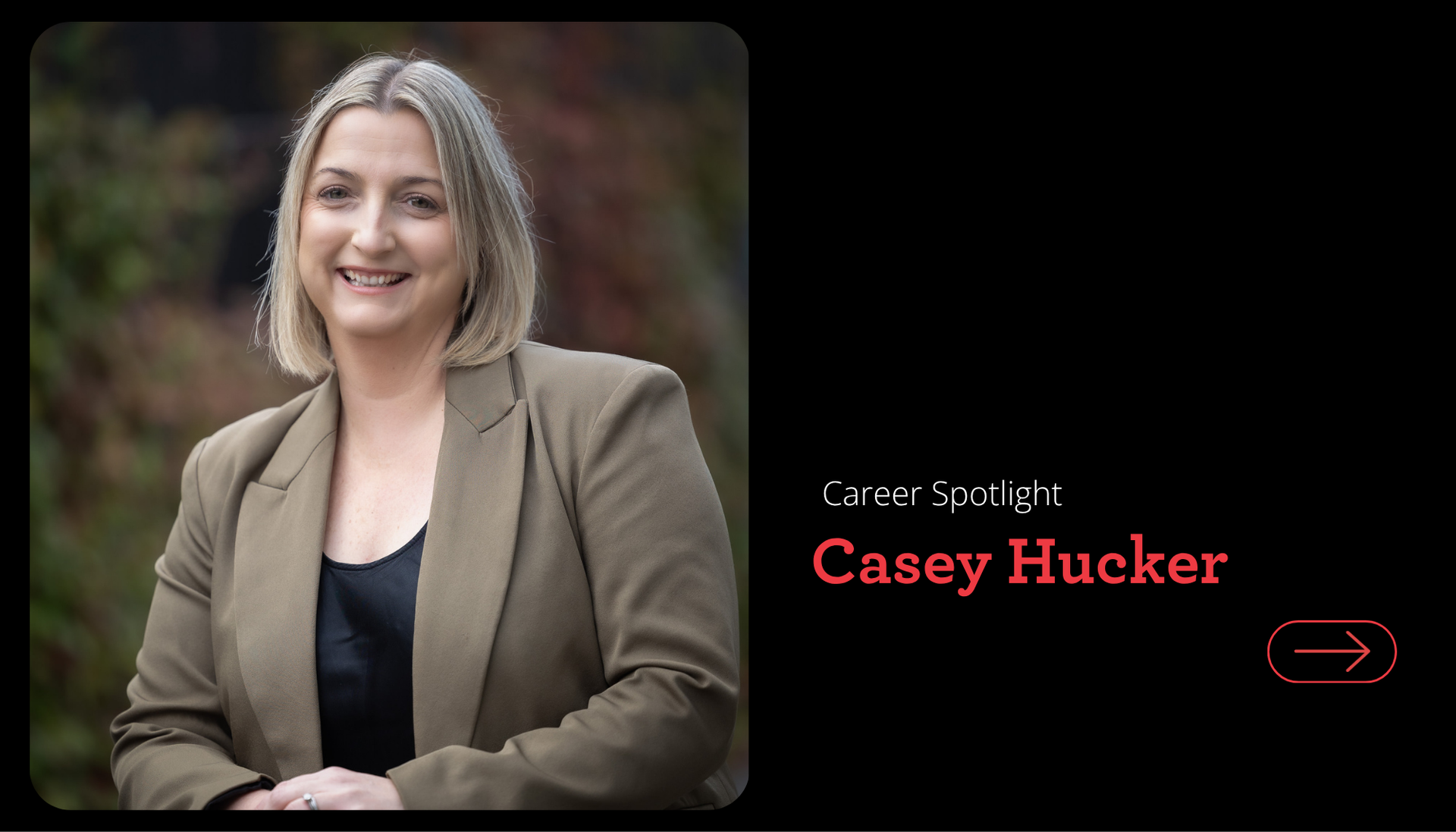
A designed graphic with a photo of Casey Hucker, and her name on a black background with red and white text
14 September 2026
Meet Casey Hucker, Property Law Partner at Willis Legal, dedicated to guiding clients through property law. Contact us for expert legal assistance today!

Close-up of a man's hands typing on a laptop
8 September 2026
The age of AI is rapidly changing many aspects of our lives, however, AI has perils for lay people using it to draft legal documents or obtain legal advice.

Show More